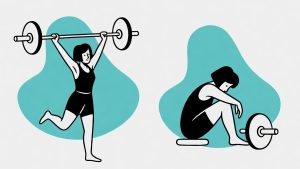
A friend of mine recently retired from his job as a medical doctor. Part of him knows this is the time to enjoy life. He is free from obligations, financially stable, and nobody expects anything different from him.
Another part still believes that slowing down is wrong. He grew up in a world where time and money were scarce, and where hard work, job security, and steady income were of the highest importance and where other aspirations needed to be given a back seat.
Despite his new freedom, he struggles to wind down and do the things he wants to do at the pace he wants to do them. Not pushing himself to his limits every day makes him feel lazy, guilty, sometimes even anxious.
It reminded me how hard it is to break with the deeply rooted values you grew up with. Even when you are rationally prepared to challenge, change or abandon them.
I work with people who are very aware of their value system and others who barely notice it. But it’s always there. Values guide our most fundamental choices as it relates to our health, career, social life, family, money, love life and more.
These core values are settled so deeply and have such a profound effect on our choices in life because they come from repetition. Ongoing exposure to family dynamics, social and cultural environments, or the hardship of working life turns values into something that feels like “truth” rather than belief.
I remember from childhood that my parents, family members and teachers often said that “nothing in life is free”. I learned from that that whatever I want to achieve, I’m supposed to work for. To this day, whenever something is given to me for free (whether out of kindness or by luck), I need to explicitly tell myself that it’s ok to accept that, without feeling I’m taking advantage.
Another example is right in my own home. My husband, whenever we have guests, will systematically open every box of snacks in the house¬¬, and always cook more food than the guests can eat. To him, even though he hates it if anything ends up going to waste, providing “just enough” feels physically uncomfortable.
This shows that you can rationally disagree with your own core values and still feel bound by them. They never really disappear—they keep influencing behaviour and emotion.
So, what if you are feeling that tension, where you want to make a change or move on from something, and your deepest self seems to struggle with it?
It usually begins with recognising which values you’re acting on, and who they really belong to. Are they truly yours, or are they from a past life and simply attached to you? No need to explain how they shaped or justifying them. Just recognizing them is enough.
At some point, you will see that change is not just a single decision, but a (potentially painstaking) process of unlearning and relearning. Core values are strong drivers of habit. They guide repeating decisions and behaviours that stick, long after the original motivation left.
Eventually the unlearning and relearning will happen. Some people benefit from consciously replacing old habits by newly designed patterns. Others focus on self-affirmation, mental notes, reminders or mantras. One recent client found an accountability partner who helps her stay committed to new goals.
Whatever works best for you, patience will be key. Your core values have been shaped over many years and have stayed with you. It’s only natural that changing them takes time and effort.