A while back I visited a former software supplier, in an office I used to spend lots of time in.
He gave me a tour of what had changed. The space looked nothing like it did a decade earlier. Fewer fixed desks, more open collaboration areas, quiet booths for video calls. Large screens mounted everywhere for hybrid meetings. Half the people dialling in from home, half in the room. On the surface, it was a modern, adaptive environment.
The One Who Never Left
While walking through, I recognised a few familiar faces. One of them was a senior architect I had worked closely with years ago. Back then, he was one of the most capable technical minds in the building. Innovative, creative, always pushing teams and solutions beyond what they were originally tasked to do. Whenever there was a complex, multi‑year implementation, he became the de facto lead.
We spoke for a while, and I asked him what he was working on these days. Ten years later, despite the redesigned office and the strategic shifts around him, he was still in essentially the same position, leading similar projects.
That surprised me. Not because he lacked ability, but because I remembered his early ambitions. He had talked about R&D, about leading larger teams, and about working overseas. His trajectory, at least in theory, was supposed to widen.
So I asked him what had changed. He paused for a while and then said something that stayed with me.
He told me he had become too good at what he did. The organisation did not want to lose him. So they paid him well, gave him visibility and all the most interesting projects to work on — just so he would stay.
Then he added something more revealing: the strategy worked. He had stimulating work. He travelled. He was respected. He never worried about job security. In many ways, he had optimised his professional life.
Outside his current organisation on the other hand, he was often seen as overqualified, overpaid, or even a threat. The very reputation that protected him internally made transitions more complicated externally.
He then said: “So I’m sitting here thinking I really should move on to bigger and better things. But the thought of losing all this stops me from doing it.”
What held him back was the comfort of a position where he could deliver at eighty percent effort and still be seen as fully successful, and trading it in for something less familiar, less certain, potentially less lucrative.
The Golden Cage
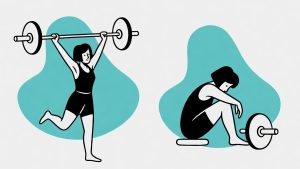
Years ago, we had a term for this dynamic: the golden cage. It described people who had done well, were rewarded accordingly, and gradually became defined by a specific capability. Over time, competence stopped being something they exercised and started being something that exercised them.
Early in a career, this kind of competence is exactly what you want. It opens doors, builds credibility, and earns trust. It creates freedom to operate. But when that same competence becomes the main reason you stay, it starts influencing your decisions in more practical ways. Instead of asking where you could grow next, you start calculating what you would have to give up. Status, familiarity, income, influence. The role may no longer stretch you, but it fits so well that leaving feels irrational.
Starting Again Means Letting Go
Growth at that stage often involves accepting a temporary reduction in certainty and fluency. It means choosing learning over mastery for a period.
At some point, remaining where you are may require less courage than beginning again. If long‑term development is the aim, stepping back into discomfort can be the more demanding decision.
Coaching offers a structured way to think about whether you’re in a golden cage and how you might free yourself from it. If that’s something you want to examine, you can message me or schedule a call.