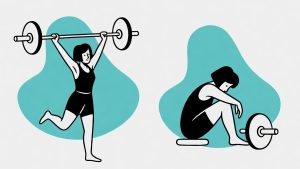
When people bring significant decisions into coaching — whether to leave a job, end a relationship, relocate, start something new, or finally say no — they often assume that what is holding them back is a lack of information. They tell themselves they need more clarity, more data, or more certainty before they can choose.
But when I ask what’s missing, most people already understand their situation and decision factors involved very well. They know what their options are, and what they would stand to gain or lose when committing to each of them. Yet the decision making isn’t happening.
The cause of that decision paralysis: Emotional consequence.
Making a choice may mean disappointing someone, admitting that a previous direction no longer fits, accepting uncertainty, or risking regret. Continuing to analyse creates the impression of progress, while postponing the discomfort that taking action would bring.
A more useful question than “Have I thought about this enough?” might be, “What would I have to accept if I decided?” That question shifts attention from information to impact.
Sometimes clarity is already present. What is absent is permission — permission to tolerate uncertainty, to disappoint, or to outgrow a previous version of yourself.
If you recognise that pattern, I would be interested in hearing in the comments what your over-analysis is protecting you from.