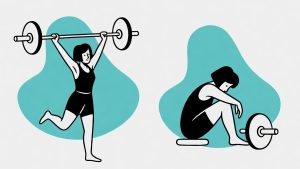
When people talk about transformation, it’s often framed as something dramatic: a bold decision, a complete reset, a decisive break with the past. Quit the job. End the relationship. Reinvent yourself.
In practice, that’s not how most meaningful change actually happens.
What I see far more often—in individual lives as well as organisations—is progress driven by small, deliberate shifts. Tiny changes in behaviour, attention, or boundaries that look almost insignificant in isolation. And then, over time, they compound.
A single conversation handled slightly differently.
One meeting you prepare for with more care.
One recurring habit you adjust instead of overhaul.
None of these feel transformative in the moment. That’s precisely why they’re sustainable.
Large, dramatic gestures demand energy spikes. They rely on motivation, urgency, or dissatisfaction to carry them through. Incremental movement works differently. It builds momentum quietly. It reduces friction instead of fighting it.
There’s also a psychological effect we often underestimate. Small steps are easier to repeat. Easier to recover from when they don’t land perfectly. Easier to integrate into who you already are, rather than forcing you to become someone else overnight.
Over weeks and months, those modest shifts change trajectories. Through consistency, rather than through intensity.
Many change efforts stall because people look for evidence of impact too early. When they don’t see dramatic results, they conclude nothing is happening and abandon the effort. They confuse subtle progress with failure.
But compounding is invisible at first. Its effects only become obvious once enough small steps have stacked on top of each other.
If you’re working on something important right now—professionally or personally—it may be worth asking simpler questions.
Not: What bold move should I make?
But: What is the smallest step I could take this week? And, how does it set me up for another small step next week?