I recently had a conversation with someone working part-time in a marketing consultancy. When she’d first joined, it had been difficult—the team was inexperienced and still lacked many skills, turnover was high, deadlines tight, mistakes were being made. She’d often ended up as the after-the-fact troubleshooter, salvaging work and keeping clients happy.
But now, she told me, everything was fine. She’d learned to compensate for the gaps in the team. She’d made herself an anchor person. The one they all turned to for advice. The one making sure nothing got missed. The one they could all count on to pick up the pieces if something fell apart.
She started telling me this with a tone suggesting great achievement. But as the story went on, other emotions started to show on her face and in her voice. Fatigue. Restlessness. Frustration. That’s when I asked her: So you’ve been great for that team. How has this been great for you?
A long silence followed. “I don’t know,” she said.
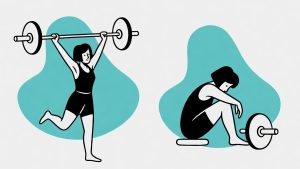
That conversation has stayed with me because I hear versions of it constantly. High performers who’ve built careers on their ability to cope—reorganising around new priorities, absorbing team dysfunction, managing unreasonable expectations. Constant coping has become their default operating mode, and while it serves them professionally, it depletes them personally.
The Adaptation Trap
Coping requires continuously recalibrating your emotional responses, suppressing frustration, finding workarounds for broken systems, making sense of contradictory priorities. Each instance seems manageable. You handle it and move on.
Every time you adapt to something that shouldn’t require adaptation, you’re spending energy. Not the recoverable kind you use when tackling meaningful challenges, but the depleting kind that comes from constant emotional regulation and misalignment between what you’re doing and what matters to you.
When Competence Becomes a Cage
The better you become at coping, the more situations requiring it find their way to your desk. You get known as someone who can handle difficult projects, manage challenging relationships, deliver results despite obstacles. These become your assignments.
Your competence creates its own trap. Each time you successfully navigate a difficult situation, you reinforce your reputation as the person who can fix things. More broken processes land on your desk. More dysfunctional dynamics need managing. More impossible deadlines become your problem to solve. When you’re constantly coping with other people’s problems, it’s easy to forget your own objectives.
From the outside, everything looks fine. From the inside, you’re running on empty.
Recognising the Pattern
How do you know if you’ve fallen into this? Start by asking when you last turned something down not because you couldn’t handle it, but because it didn’t align with what you’re trying to build. If that question draws a blank, you’ve got your answer.
Or notice what happens when someone asks what you want professionally. If your mind immediately goes to what needs fixing, what’s broken, who needs support—rather than what you want to create—that’s the pattern showing itself. You’ve become so practiced at responding to other people’s priorities that your own have faded from view.
What makes this difficult to spot is that you’re not failing at anything. Colleagues see someone reliable and capable. And they benefit from it – so none of them is going to point it out to you.
What Breaking the Pattern Requires
Breaking with unhealthy habits is hard, and this is no exception. To steer away from always being everyone else’s safety net and neglecting your own aspirations, you’ll need to do some soul searching.
Find out what prompts you to want to come to everyone’s rescue. Identify the real-life triggers that push your saviour-button. Try different ways of stopping yourself from falling into the same trap. Reward yourself each time you took up a task because you wanted to, rather than because you could.
There is no template or job-aid for this. Breaking habits require personalised approaches that work for you rationally and emotionally.
If this is a habit you recognise and want to break, please don’t hesitate to contact me or book a free discovery call.